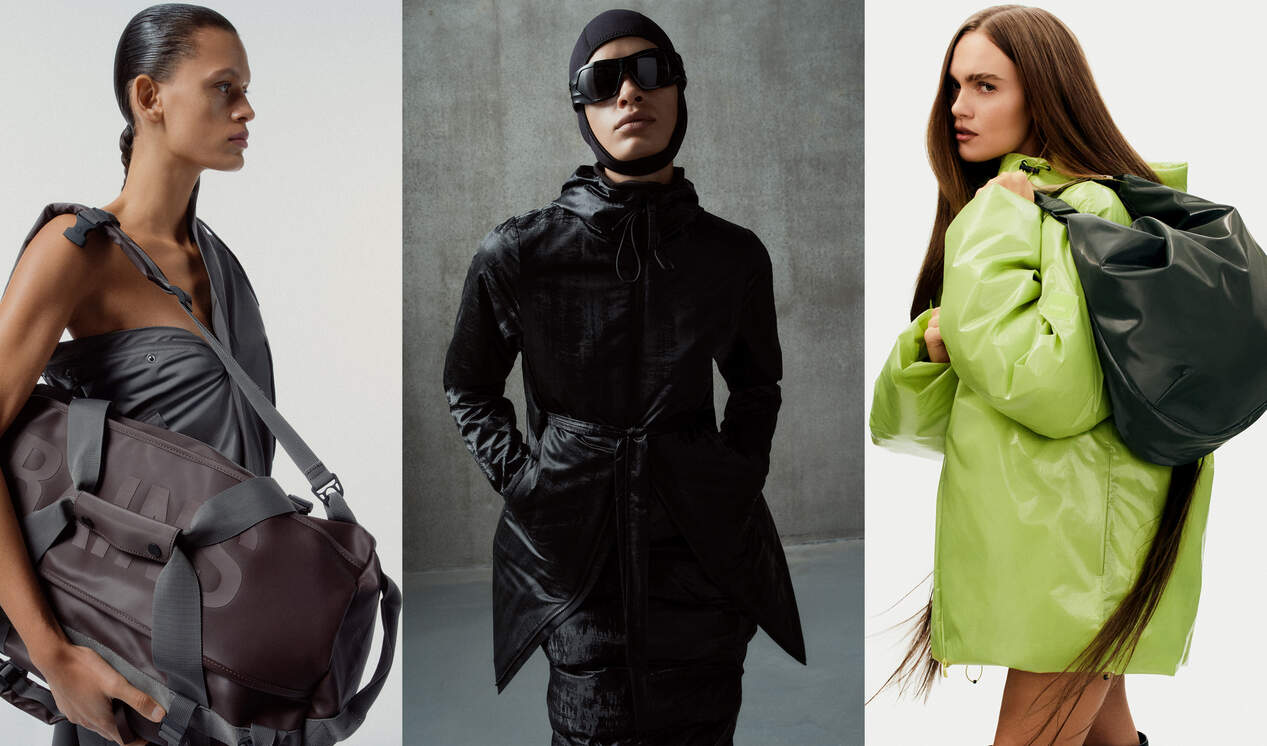
Fashion moves fast.
A style that feels like a risk at Indent can turn into a best-seller overnight. By the time retailers come back for more, shelves are empty and future stock is already spoken for.
On the other side, cautious forecasting leaves brands with excess inventory that eats into cash flow and margins.
This is why demand forecasting in the fashion industry matters. It’s about capturing real signals from the market and not just relying on past sales or gut feel.
With the right tools, brands and retailers can see demand as it happens, align production with confidence, and avoid the cycle of stockouts and deadstock.
Why Demand Forecasting in Fashion Is Difficult
Forecasting in fashion is never straightforward. Trends shift overnight, and a product that looked like a safe bet in pre-orders can either stall or explode once it hits the shop floor. Retailers often buy cautiously up front, leaving brands without enough stock when demand surges.
Long lead times make the problem worse. By the time new units are manufactured and shipped, the window of opportunity may have already closed.
Spreadsheets and disconnected systems add even more risk with sales, operations, and retail teams working off different numbers, slowing down response time.
The result? Brands swing between stockouts that frustrate retailers and excess stock that erodes profit. Both outcomes weaken trust and make planning feel more like guesswork than strategy.
The Consequences of Getting Forecasting Wrong
Poor forecasting hits harder than most brands realise.
When stock runs out, retailers lose sales, and customers turn to competitors. Momentum from marketing is wasted, and the chance to build loyalty disappears.
Overstock can be just as damaging. The Guardian reports that up to 40% of fashion garments go unsold each year. That equates to billions of items that end up in markdown bins, warehoused, or destroyed.
For growing brands, this kind of overproduction ties up cash, erodes margins, and slows expansion.
Beyond dollars, the biggest cost is confidence. Retailers expect reliability. When forecasts miss the mark, trust erodes across the supply chain, making future partnerships harder to secure.
Smarter Demand Forecasting in the Fashion Industry with Brandscope
Fashion doesn’t wait, and neither should your forecasting. Brandscope’s demand capture and forecasting software tool gives brands and retailers a way to see real demand the moment it happens, instead of weeks or months later.
Here’s how it works:
- Demand capture at the SKU level: Retailers can log forecasts, refills, or backorders directly in the system.
- Lead times applied automatically: Whether you’re manufacturing overseas or shipping locally, future delivery months open up in line with your supply timelines.
- Instant alerts: When a retailer adds demand beyond current stock, your supply team is notified straight away. There’s time to plan production, organise shipping, and secure inventory before opportunities slip.
- ERP integration: Orders and forecasts flow into your existing systems like SAP, Microsoft Dynamics, or Cin7. That means no duplicate spreadsheets and no delays.
Brandscope makes forecasting easier and more accurate with tools built for wholesale. Our Demand Forecasting Software for B2B Ecommerce Wholesalers connects retailers, brands, and supply teams in one place, so every demand signal becomes an opportunity you can act on.
Who Benefits Most?
Better forecasting isn’t just a win for brands. It improves outcomes for every part of the supply chain.
- Brand Managers: Plan production with confidence, reduce waste, and protect margins.
- Retail Buyers: Secure future stock quickly, keep shelves full, and respond faster when products take off.
- Operations Teams: Gain the lead time needed to manage production and logistics without scrambling.
- Founders: Free up cash tied to excess stock and support growth with smarter planning.
- E-commerce Managers: Sync wholesale availability with online demand, improving customer experience and reducing stockouts.
By giving each group visibility into demand as it happens, Brandscope turns forecasting into a shared process that builds trust and efficiency across the industry.
Real Scenarios in Action
A cautious launch turns into a best-seller
The problem: A brand launches a new style on Indent. Retailers play it safe, ordering lightly. When the product lands in-store, it flies off the shelves. By the time retailers come back for more, the stock is gone.
The solution with Brandscope: Retailers can log future demand signals the moment they see a product taking off. Brandscope captures these forecasts instantly, applies lead times, and pushes them through to the supply team. Instead of missing out, the brand gets time to secure production and meet demand while the trend is hot.
Backorders without the bottleneck
The problem: Retailers often sell through available stock, but manual backorder processes slow everything down. Orders are delayed, teams work from spreadsheets, and retailers are left waiting.
The solution with Brandscope: Retailers place backorders directly in the system. Brandscope captures the demand, routes it into the ERP, and notifies supply teams immediately. Stock is planned and delivered on time, without missed sales or wasted admin.
Marketing spend that actually delivers
The problem: A brand invests in a major campaign. The product gains traction, but there isn’t enough stock to meet the surge in demand. Retailers and consumers lose interest, and the marketing spend is wasted.
The solution with Brandscope: Retailers can respond as soon as they see a lift in-store, logging forecasts or forward orders in the same system. Brandscope captures those signals in real time, aligns them with lead times, and ensures supply can scale to match the campaign’s impact.
Collaborative Demand Forecasting in the Fashion Industry
Accurate forecasting isn’t just a brand challenge or a retail challenge; it’s a shared responsibility.
Retailers are closest to consumer demand. They see what’s moving, what’s stalling, and what customers are asking for.
Brands manage supply. They juggle production schedules, lead times, and delivery windows. When these two sides aren’t aligned, opportunities are lost.
Brandscope bridges that gap. Retailers can log forecasts or backorders the moment they see a demand shift. Brands receive those signals in real time, with lead times automatically applied and internal teams alerted.
Everyone works from the same data, in the same system, without the delays of spreadsheets or emails.
The result is collaboration instead of guesswork. Retailers get confidence that their needs will be met. Brands gain visibility to plan production on time. Together, supply meets demand with fewer surprises and stronger results.
Why Fashion Brands Trust Brandscope for Demand Forecasting
Forecasting in fashion will never be perfect, but it doesn’t have to feel like guesswork. The brands that succeed are the ones that capture demand early, align it with lead times, and keep every team working from the same data.
At Brandscope, we make that possible.
By turning every refill, backorder, and forecast into an actionable signal, our platform helps fashion brands move from reactive to proactive. The result is fewer stockouts, less overproduction, and stronger trust with retailers.
If you’re ready to see how smarter forecasting can drive growth, book a demo of our B2B Wholesale Platform for Fashion & Apparel Brands today and start forecasting with confidence.